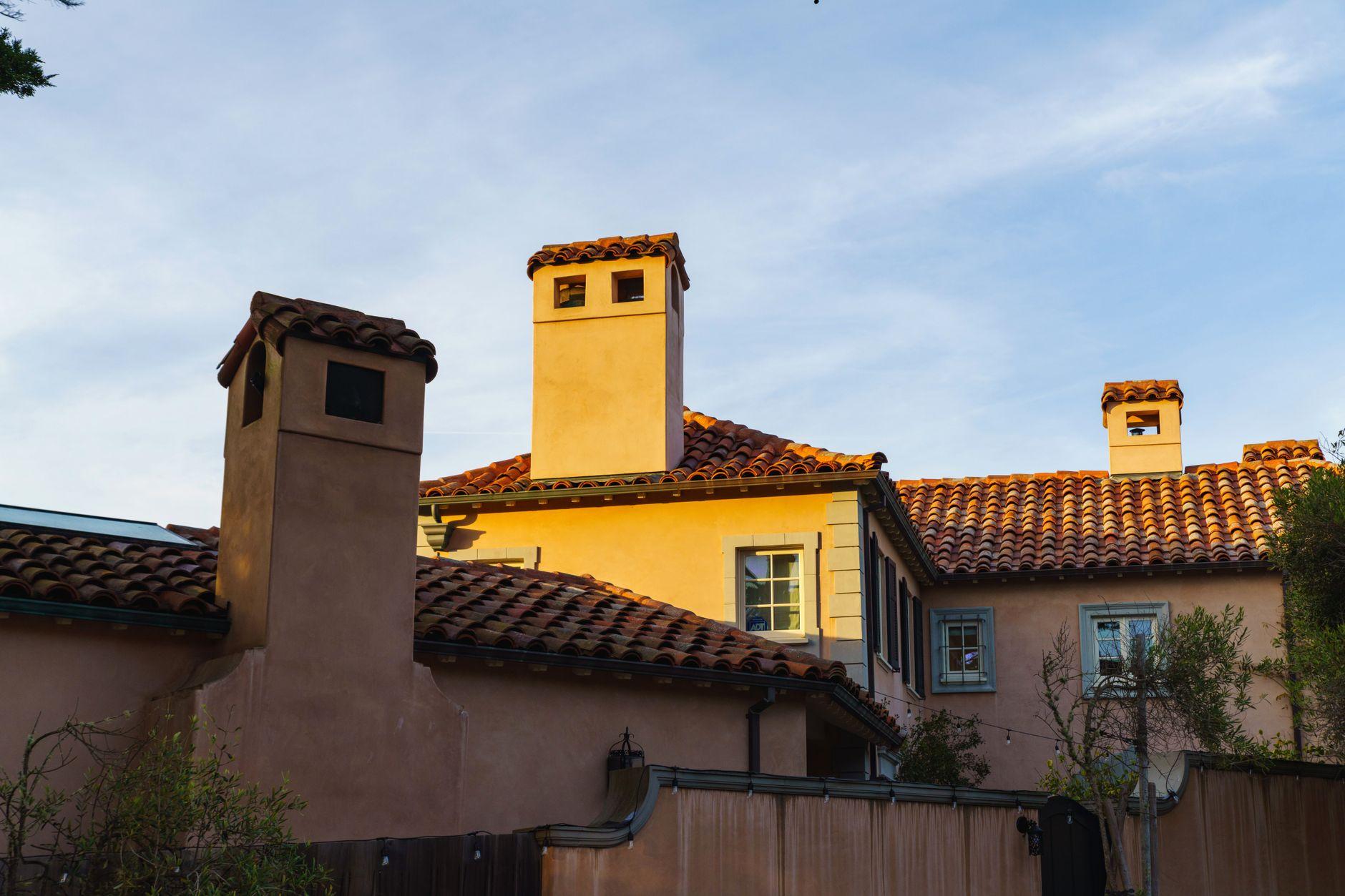
One stack, several flues, several units
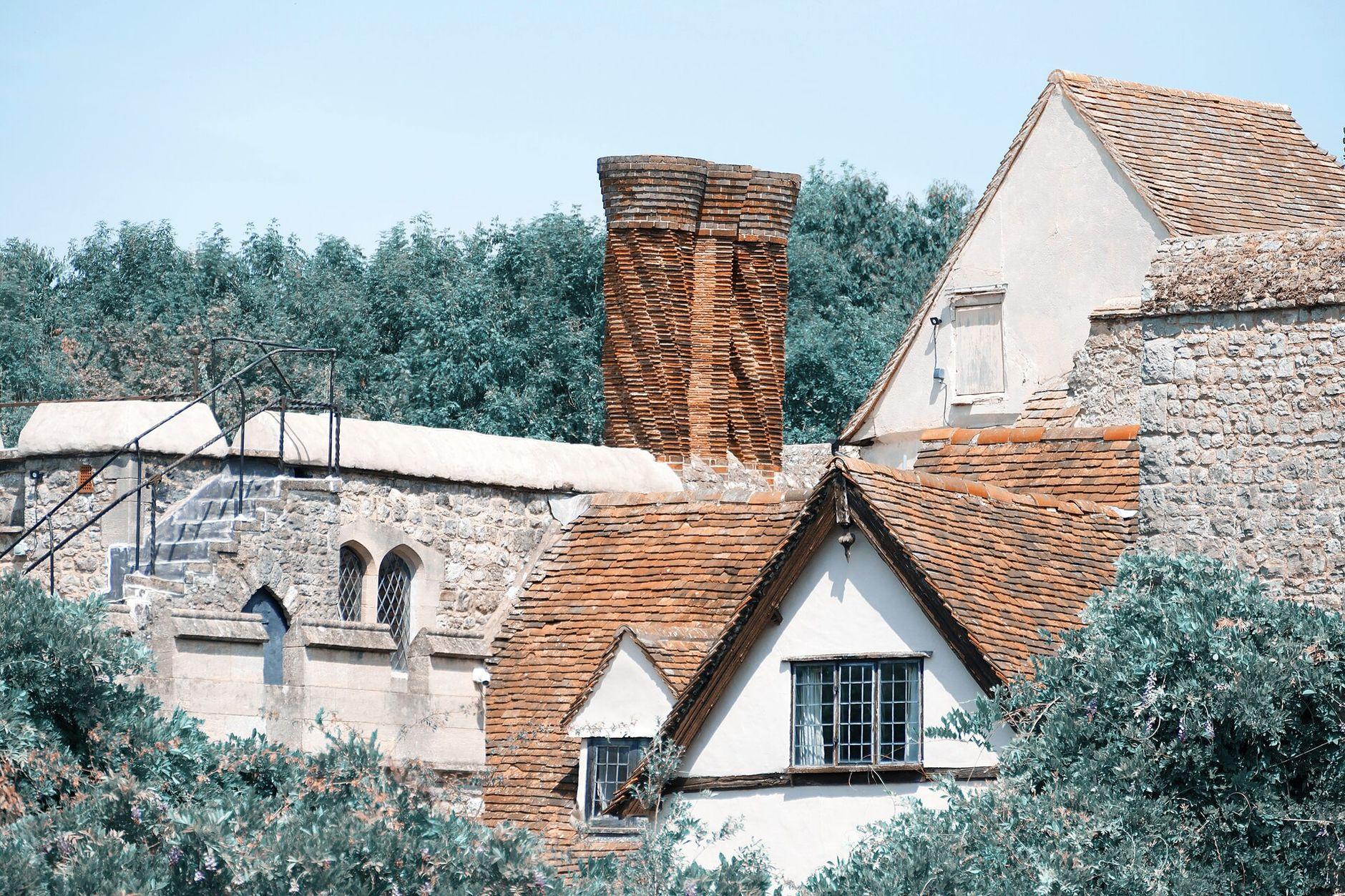
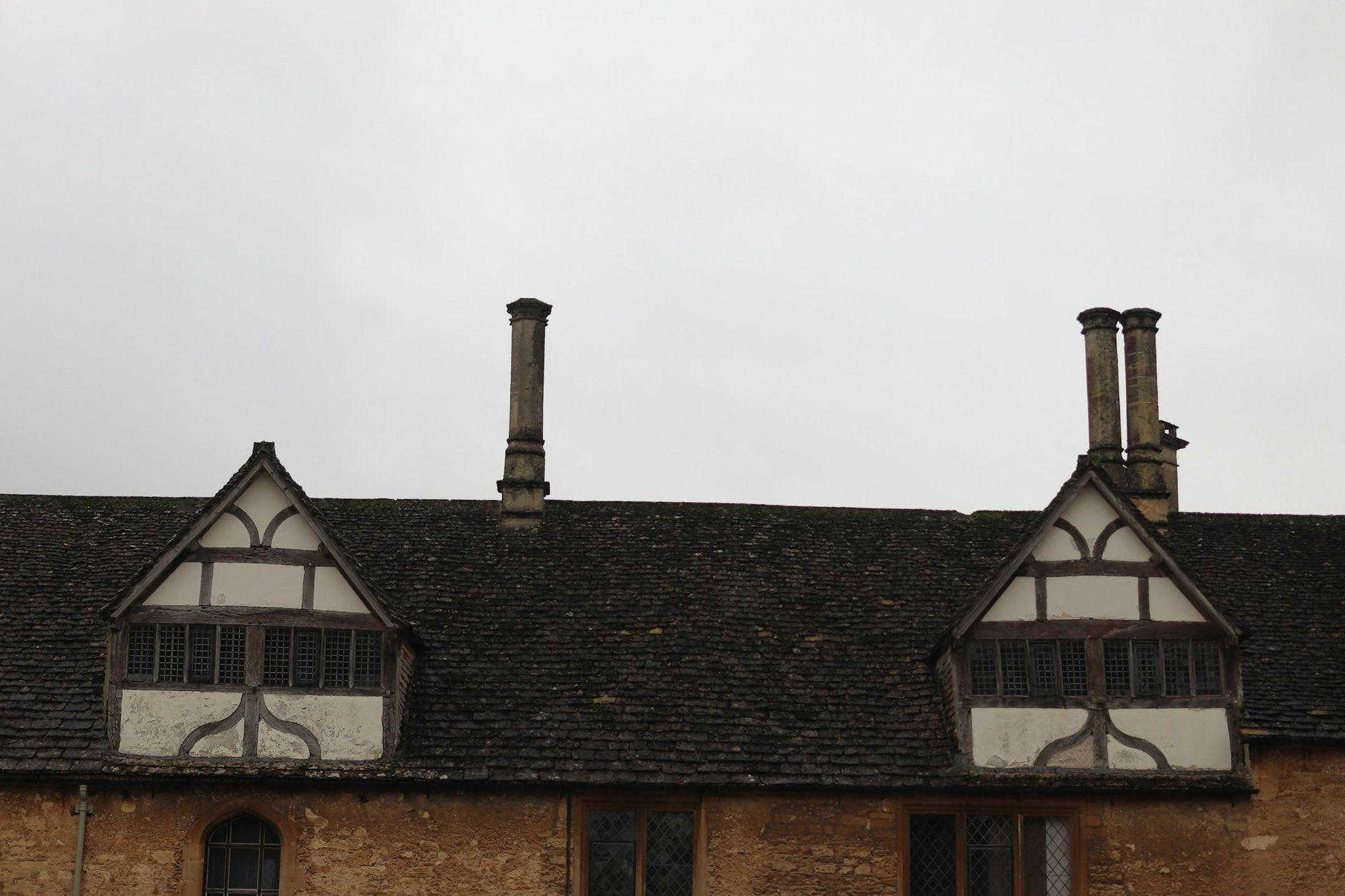
On many older buildings in Covina, a single brick chimney rises through the roof carrying two, three or four separate clay flues side by side. Each flue serves a different firebox, often in a different unit. From the street it looks like one chimney. From the inside it is several, each with its own condition, and a crack in one tile can affect the tenant next door as much as the tenant whose fireplace it serves.
Relining is the job of putting a new, continuous liner inside a flue whose original tiles have failed. This guide covers how we decide which flues in a shared stack need it, what the options are, and what moves the written quote.
How a flue earns a relining
We never quote a liner from the roof alone. Every relining starts with a Level 2 inspection on that flue, at $415, because the decision rests on what the camera records inside. On a shared stack we scope every flue, not only the one with the complaint, since a gap in the wall between two flues is invisible from either fireplace.
The findings that lead to a relining recommendation:
- Tiles cracked lengthwise or broken across, from age, heat or the 1994 quake
- Joints between tile sections open, so smoke and heat reach the brick around them
- Tiles shifted out of line so the flue steps sideways partway up
- A wall between flues worn through, letting smoke cross from one unit into another
- No liner at all, which is common in brick stacks built before clay tiles were standard
- A liner sized for a wood fire now serving a gas appliance that needs a smaller passage
Each finding is time-stamped on the footage and tied to the unit the flue serves, so the owner sees exactly which flue, at what height, and why.
The relining options
There are two main routes, and the right one depends on the flue and the appliance below it:
- Stainless steel liner. A round stainless liner is fed down the flue from the top, connected at the firebox or the appliance, and capped at the crown. It suits most wood fireplaces, inserts and gas units, and it can be sized to the appliance.
- Poured or cast liner. A mix is formed inside the flue to create a new smooth passage and to fill gaps in the old tile. It suits flues with heavy damage, odd shapes or offsets a rigid liner cannot follow.
Where a flue no longer serves anything and the owner does not plan to use it, sealing it at the top and the bottom may be a better choice than relining, and we write that option too.
What moves the written quote
Relining is quoted in writing for each flue after the camera run. On a shared stack, the main factors are:
- How many flues need it. Each one is a line, and a board can approve them one at a time.
- Height. A two-story building takes a longer liner and more time on the roof.
- Shape. Offsets and bends in the flue, common in older stacks, can rule out one route and favor the other.
- The appliance. A wood fireplace, an insert and a gas unit each need a different size and connection.
- The crown and cap. A new liner has to finish through a sound crown and under a cap. If the crown is cracked, it goes on the quote as its own line. The new cap over the finished flue gets its price after measuring, and that price moves with flue count and metal.
- Access. A clear path for a ladder and a safe spot to work on the roof shorten the job.
Relining two flues on the same stack during one visit usually costs less per flue than doing them in separate years, because the roof setup is done once.
Get the stack scoped
Tell us on the form how many flues come out of the stack and which units they serve, and we will quote a Level 2 on each flue so the relining figures rest on footage.
Labeling the flues
On shared stacks, one of the first things we do is match each flue at the roof to the unit below it. We run the camera from the top, confirm which firebox it reaches, and record the match in the report. Owners are often surprised to learn that the flue they assumed served unit 2 actually serves unit 3. Getting that right matters before any liner goes in.
The record after the work
When a flue is relined, the unit's page in the report gets a completion entry: the date, the liner type and size, the connection at the bottom, the cap at the top, and footage of the finished flue. That page becomes the reference for the next inspection, for a buyer if the building sells, and for an insurer that asks about the fireplaces.
Buildings across the valley
Shared brick stacks are common on courts and fourplexes in Covina, Baldwin Park and older parts of Pomona and Azusa. The chimney liner installation page covers the work in more detail, and if a building sale is behind the inspection, our guide to selling a duplex explains how relining figures fit into the seller's file. For deciding which flues go to the camera in the first place, see Level 1 or Level 2 for a fourplex.
When the footage is the next step
If a tenant has reported smoke, or a buyer's inspector has written up a liner, get in touch through our contact page and we will scope every flue in the stack before anything is relined.
Booking for a Whole Building?
Roach visits every fireplace on the property in one trip and writes each one up on its own page, with a price beside every fix. Properties in Covina, Azusa, Baldwin Park, Pomona and the rest of the route are booked the same way.