Why boards ask about it
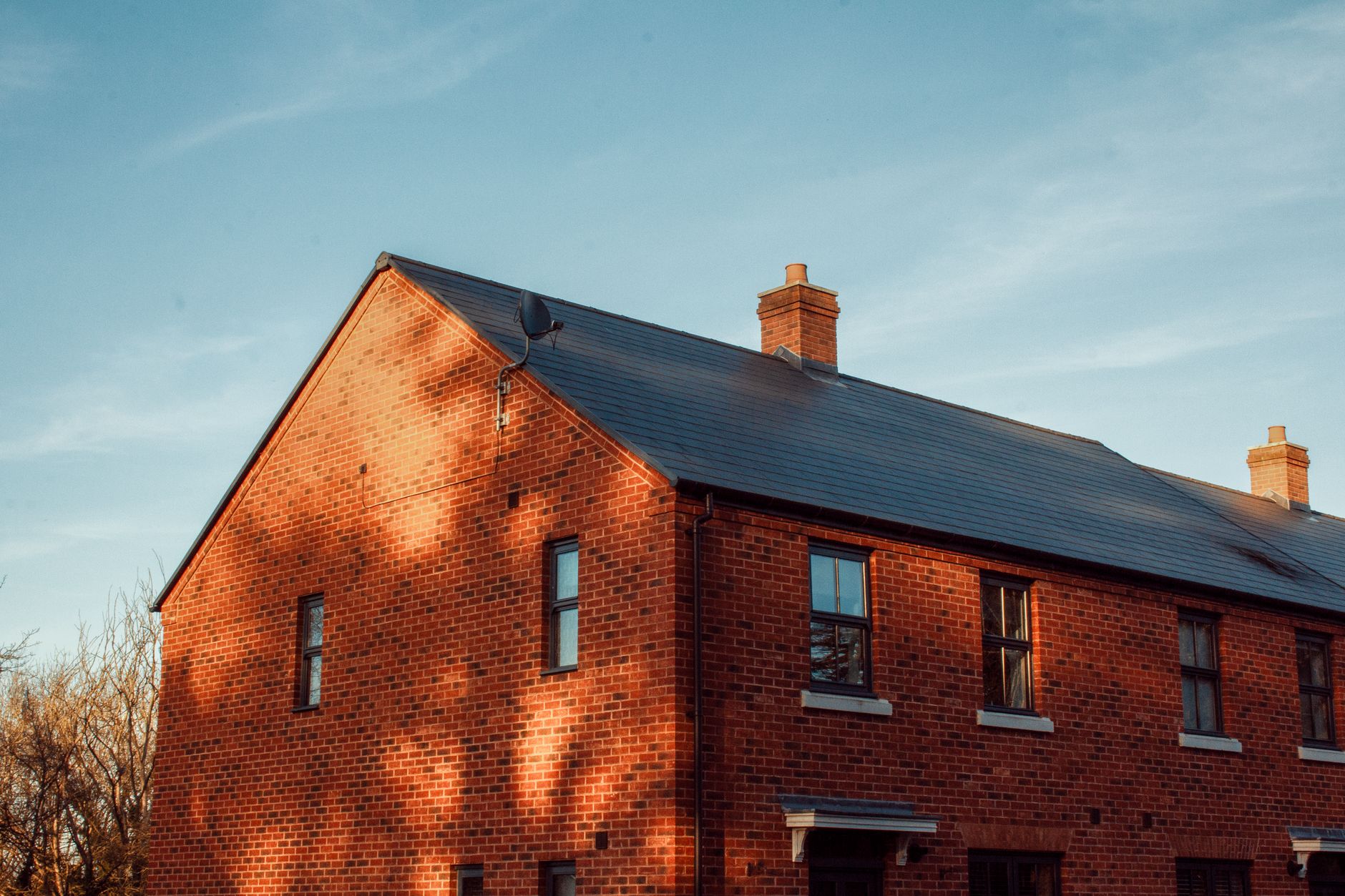
On a single house, an unbraced brick chimney is the owner's concern. On a building, it hangs over shared ground. The stack on a Covina court often rises above a walkway, a carport, a laundry room door or the patio of the unit next door. When an HOA board or a building owner asks us about seismic work, the question behind it is usually simple: if a strong quake hits, where does that brick land, and who is standing there?
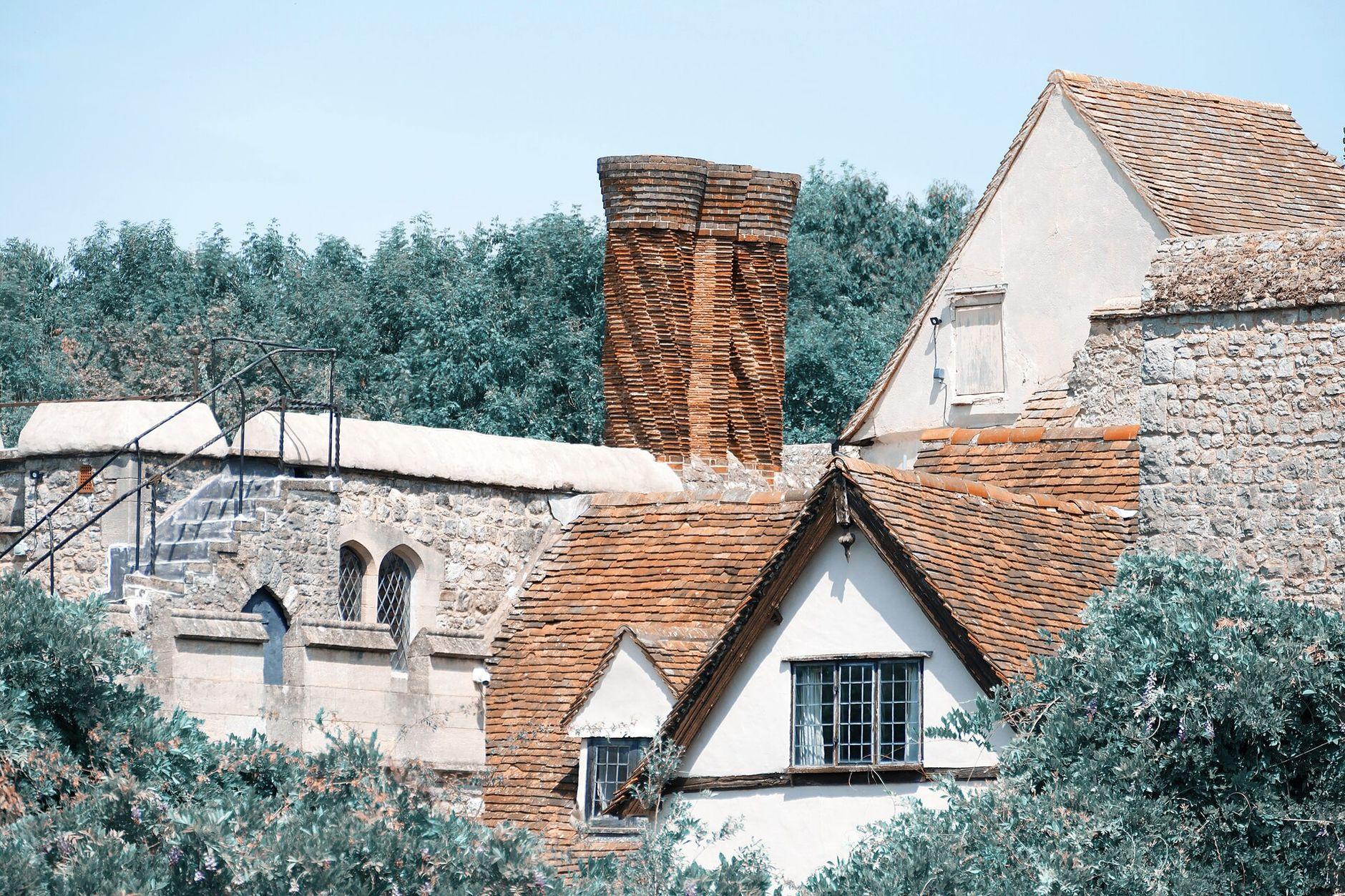
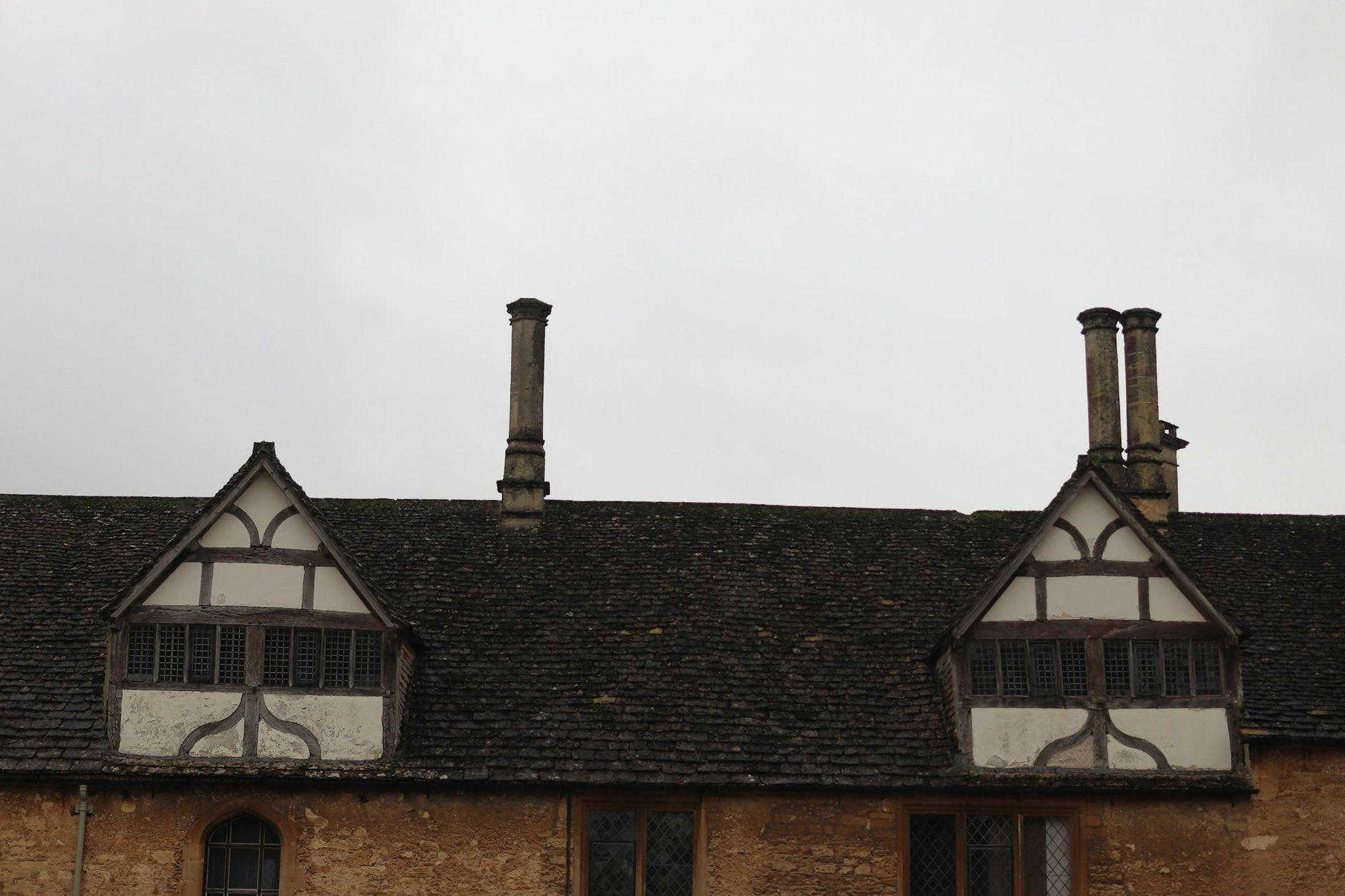
The 1994 quake answered that question across Los Angeles County. A great many brick chimneys broke at or just above the roofline, where the stack is tallest and least supported, and the top section fell onto roofs, yards and cars. Many of the buildings we visit in the east San Gabriel Valley still carry stacks from that era, some patched afterward, some never touched.
This guide explains how we assess a building's chimneys for seismic risk, the retrofit options in general terms, and what a board receives in writing.
What we look at on each stack
Every stack on the property gets its own assessment and its own page in the report. On each one we record:
- The height above the roof and the width of the stack
- Whether the brick and mortar are sound at the roofline or have gone soft
- Cracks running through the brick rather than along the joints
- Any lean, twist or gap between the stack and the wall it rises along
- What sits below the stack: a walkway, a carport, a neighbor's roof, a play area
- Whether the flues are still in use, and by which units
A Level 2 inspection at $415 per flue is often part of the visit, because the camera shows whether the tiles inside have already cracked or shifted. A stack can look fine from the street and carry broken tiles halfway down, and that changes which retrofit makes sense.
The retrofit options, in general terms
There is no single retrofit for every chimney. The options we write up for building stacks are these:
- Bracing to the roof framing. Steel members tie the upper part of the stack back to the roof structure, so the section above the roofline is held when the building moves.
- Straps to the floor and ceiling framing. Steel straps wrap the stack at one or more levels and fasten into the framing behind it, so the chimney and the building move together instead of separately.
- Rebuild from the roofline up. The weak top section comes down to sound brick at or below the roof, and a new top is built with reinforcement or in lighter construction.
- Replace the masonry top with a framed chase. For stacks whose units have moved to gas, the brick above the roof can be taken off and replaced with a framed, finished chase around a metal flue. It weighs far less and ties to the building easily.
- Take the stack down. Where no unit uses the fireplace and the owner has no plans to, removing the stack to below the roof and closing the roof over it may be the simplest route.
Which option fits depends on the condition of the brick, the use of the flues and what lies below. We write more than one where more than one is reasonable, so a board can compare them side by side.
What decides the price
Seismic work is quoted in writing for each stack after the assessment. The main factors are:
- Stack size and height. A tall, wide stack on a two-story building needs more steel or more rebuild than a short one on a single story.
- The brick at the roofline. Sound brick can be braced or strapped. Soft brick usually has to come down first.
- Flues in use. A stack that still serves wood fireplaces needs its flues kept working through the retrofit; one serving only gas, or nothing, opens up lighter options.
- Access and what is below. Scaffold over a walkway or carport, or work above a neighbor's roof, adds setup time.
- The roof around the stack. Rebuilds and removals mean new flashing, and on a wide stack a cricket. A cricket with the roof joint metal replaced runs $710 to $1,750.
Request the assessment
List each chimney on the property and what sits below it on the form, and we will set a visit to assess every stack and write the retrofit options for each one.
What the board receives
One report for the property, one page per stack. Each page shows the stack's location on the site, the units it serves, our photos, the camera footage where a Level 2 was done, the findings in rank order, and the retrofit options with their written figures. A summary sheet at the front ranks the stacks by risk, taking in both their condition and what lies below them, so a board can phase the work over more than one budget year if it needs to.
When work is done, each stack's page gets a completion entry with photos of the finished retrofit, ready for the property file.
Covina and the cities nearby
We assess building chimneys across Covina, Azusa, Baldwin Park and Pomona. Many of the courts and garden apartments in these cities date from the 1950s and 1960s and still have their original brick stacks. The chimney seismic retrofit page covers the work in more detail, and the chimney rebuild page explains the rebuild option. If a stack also has cracked tiles inside, our guide to relining flues in a shared stack explains how that work is quoted alongside the retrofit.
Before the next shake
When you know how many stacks the property has and what sits under each one, reach us through the contact page and we will put every chimney on the building into one written assessment.
Booking for a Whole Building?
Roach visits every fireplace on the property in one trip and writes each one up on its own page, with a price beside every fix. Properties in Covina, Azusa, Baldwin Park, Pomona and the rest of the route are booked the same way.